EU backs COP31 plan to make the world go electric, but the row over clean power goes on
The EU has signed up to a COP31 pledge to get more of the world's energy from electricity. But countries are still split over whether that power has to be clean.
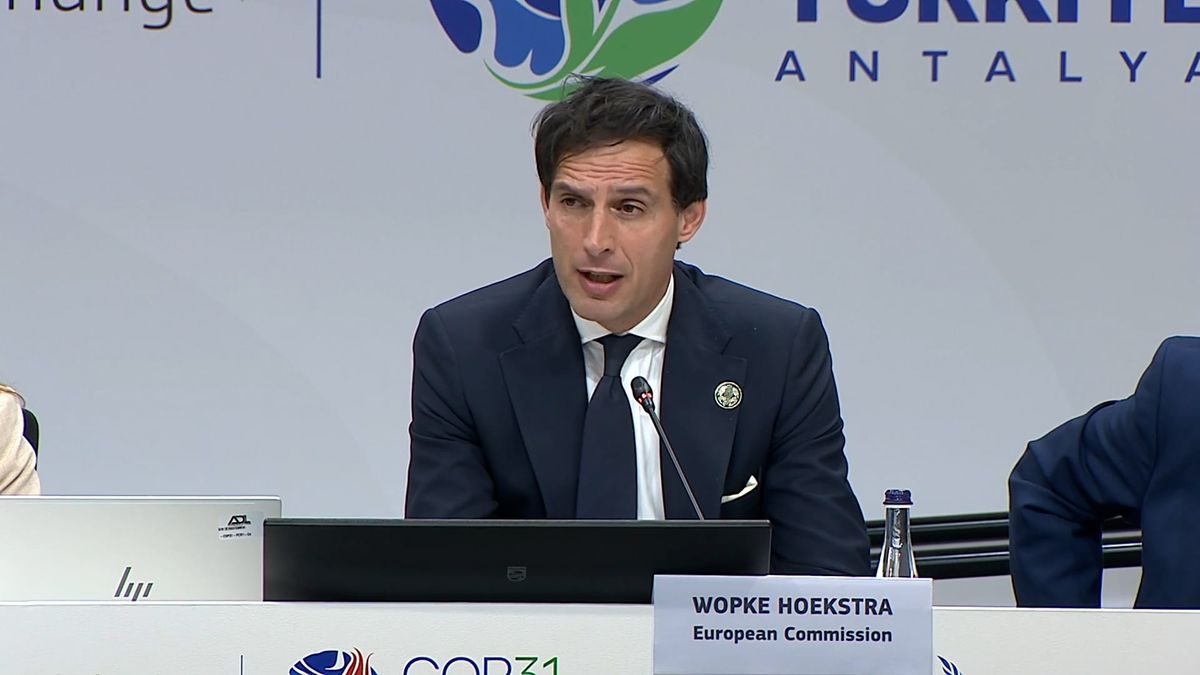

The European Union has backed a plan at the COP31 climate talks in Antalya to run more of the world on electricity, adding pressure on other countries to sign up before the talks end later this week.
"I'm pleased to confirm that the EU is endorsing the COP31 presidency's 35 by 35 initiative," said Darragh O'Brien, Ireland's climate minister, speaking on behalf of the EU's 27 member states on Tuesday.
The EU joins countries that have already signed up, including the UK, Canada, Japan, Norway, South Korea, Pakistan, Kyrgyzstan and the Solomon Islands, as well as EU members Germany, Denmark and Spain. The hosts, Türkiye and Australia, are leading the push.
Some research groups and campaigners have also welcomed it.
The World Resources Institute, a US-based think tank, said the first countries to sign were sending "a clear signal: the future of energy security is electric".
But there is still a big argument over whether the extra electricity has to come from clean sources such as wind and solar.
What is the 35x35 electrification pledge at COP31
Today about 23% of the world's energy comes from electricity, according to the International Energy Agency (IEA).
The rest mostly comes from burning oil, gas and coal directly, in car engines, boilers and factories.
The COP31 hosts, Türkiye and Australia, want countries to sign up to raise that to 35% by 2035. In practice that means far more electric cars, heat pumps and electric factories.
That is why it is known as "35 by 35".
What could a push on electrification mean?
Supporters say it means lower bills, less exposure to oil and gas price shocks, and cleaner air.
"Your bills will be lower. Renewables are cheaper," said Bruce Douglas, chief executive of the Global Renewables Alliance.
In Boulder, Colorado, new homes must already be all-electric.
"Of course it reduces emissions, but also makes for a healthier, quieter, cleaner lifestyle in general," said Aaron Brockett, Mayor of Boulder.

But not everyone can afford the upfront cost of an electric car or a heat pump.
Boulder uses a local carbon tax to help pay for electrification and insulation in lower-income homes.
In many parts of Africa, the challenge is different.
Around 720 million people worldwide still have no electricity at all, according to the IEA.
“For Africa, it’s unique. The conversation around electrification is different from the rest of the world,” said Amos Wemanya, senior climate advisor at Power Shift Africa.
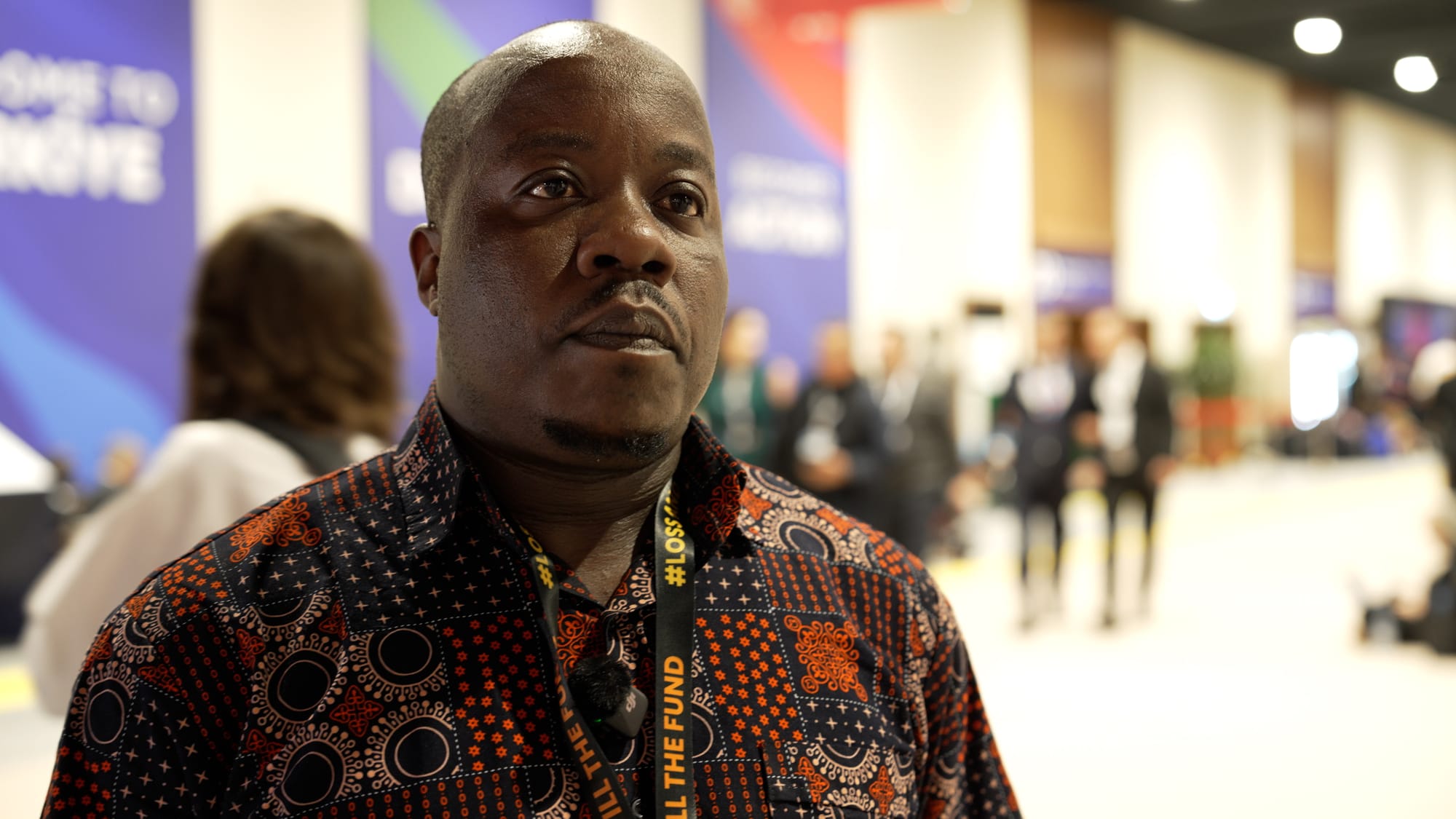
Africa receives just 2% of global clean energy investment, according to the Nairobi-based Power Shift Africa.
“Energy access is very important because for a continent that has hundreds of millions of people who do not have access to electricity, electrification must mean something, and that something is universal energy access, but not just lighting a bulb. It’s about productive uses. It’s about powering industries,” Wemanya added.
"In some places it's about establishing new energy systems. It's about universal energy access that is affordable and reliable,"
The big argument: Does the power have to be clean?
The pledge does not say the extra electricity must come from renewables. The current draft deal allows it to come from fossil fuels, including gas and coal.
The IEA says electrification cuts emissions whatever the power source, because electric cars and heat pumps are far more efficient than engines and boilers and that even if they are powered by fossil fuels, it will still make a difference.
Energy emissions are about 38 billion tonnes of carbon dioxide a year today, the IEA says.
Hitting the pledge with no clean power condition would bring that down to around 30 billion tonnes, said Fatih Birol, head of the IEA.
If the extra power is clean, the IEA's own analysis shows energy emissions falling by more than half by 2035.
But Climate Analytics estimates that if the extra power is not clean, it could add at least 0.1C of warming by the middle of the century.
The EU says some compromise is needed to get almost 200 countries to agree.
"The more that is clean and that is solar, wind, nuclear, the better it is," said Wopke Hoekstra, EU climate commissioner. “At the same time, if to some degree a bit of pragmatism is needed to bring others into the tent, that is important to look at, how complicated from a geopolitical perspective the world already is,”
A group at the talks of representatives from small island nations, among the most exposed to climate impacts due to rising sea levels, want clean electrification spelt out.
"Anything less isn't minimising overshoot. It's condoning it," said Ilana Seid, Palau's ambassador and chair of the Alliance of Small Island States, referring to overshoot 1.5C of global warming.
Parties have until the end of the week to decide if it makes it into the pledge or not.
If it is agreed, it could eventually enter national policies in all the countries that signed up, meaning citizens could see a further push to electrify their lives.