COP31
Independent news on climate, people and the planet

The energy needed to keep buildings cool around the world is overtaking the energy needed to heat them, the International Energy Agency, which analyses the world’s power has found.
Hotter temperatures and rising incomes mean more people are buying air conditioners, the IEA says in its yearly World Energy Outlook, published on Thursday.
Unusually hot summers in cooler places, including northern Europe, are adding to the rise.
By 2035, cooling is expected to add 1,700 terawatt hours to the world's electricity demand.
That's more than five times what the whole of the UK uses in a year. Across the IEA's scenarios, cooling makes up more than 40% of the growth in energy demand over the next decade.
Many people who need it still go without.
In developing countries outside China, 85% of households face high temperatures, but fewer than one in five of them have an air conditioner.
The report also says the oil and gas crisis caused by the closure of the Strait of Hormuz will permanently change the world's energy system.
The IEA says countries are turning to renewables, electric cars and heat pumps to protect themselves from future price shocks.
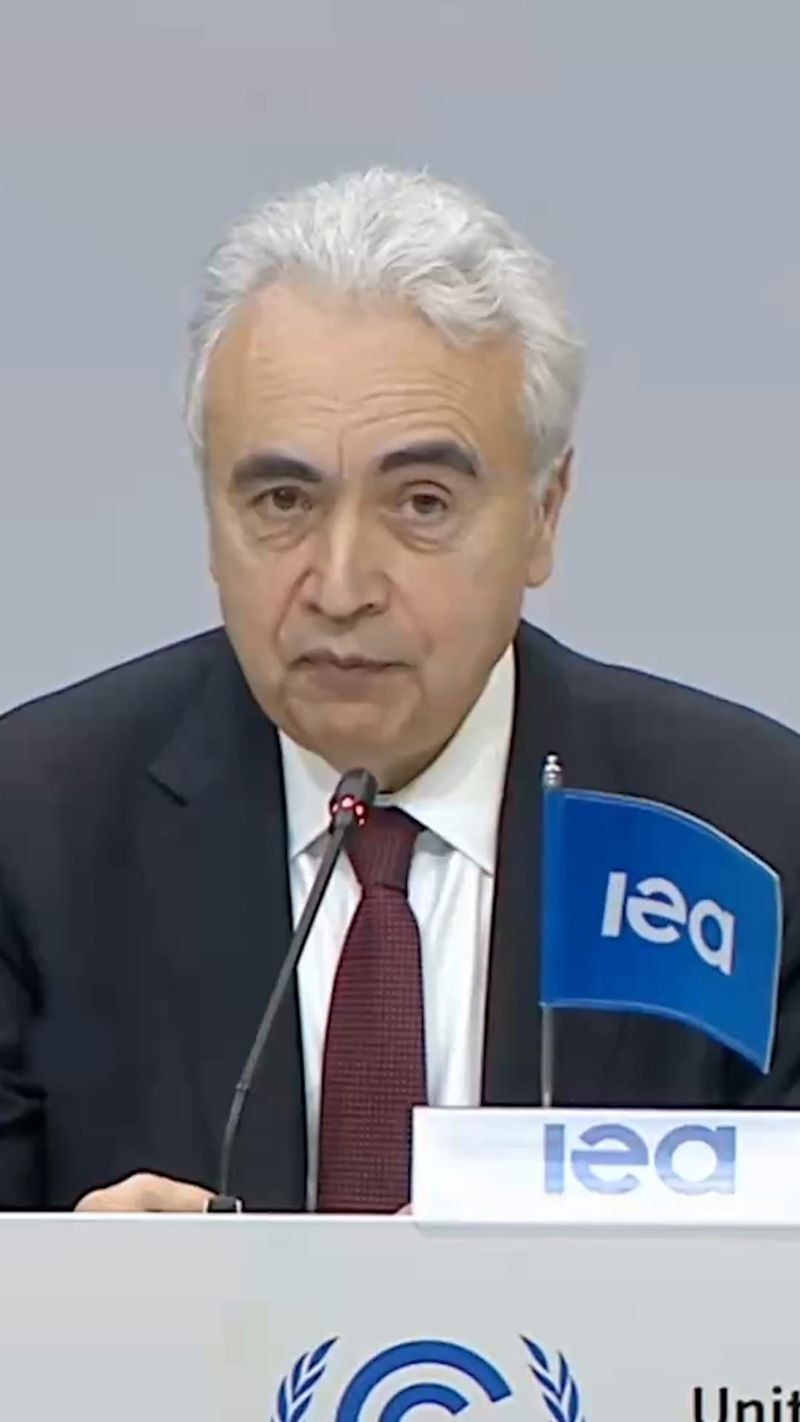
"The Hormuz crisis has delivered a huge shock to the system. And I don't see any credible pathway for the energy world to return to the way it was before," said Fatih Birol, executive director, IEA
The report came out on the same day a new draft of the main COP31 deal in Antalya dropped all mention of fossil fuels.
Most homes pay for energy in three ways: fuel for the car, gas for heating, and electricity. The IEA says switching to electric could cut overall household energy bills, even though electricity bills rise.
On a path to net zero, the average household's spending on oil products such as petrol falls from about $660 a year to $380 by 2035. Gas spending falls from $140 to $105. Electricity spending rises from $440 to $635.
Overall, household energy bills would be about 5% lower by 2035. In countries that import oil and gas, such as the UK, they would be almost 10% lower, and more than 30% lower by 2050.
"Governments cannot afford to keep people and economies hooked on volatile oil and gas markets," said David Tong, global industry lead, Oil Change International.
The report also shows the gap between what countries are doing and what is needed.
The renewables industry says the crisis has made the case for clean energy.
"Renewable energy and greater electrification offer countries a way out of this unfolding series of emergencies, reducing dependence on imported fuels by harnessing homegrown and affordable clean energy," said Ben Backwell, Chair, Global Renewables Alliance, and CEO, Global Wind Energy Council.
But the IEA warns that energy security will not be enough on its own to tackle climate change. In some places, it says, worries about supply are also propping up coal, especially where countries have plenty of their own.
v
For the first time, the world’s need to keep buildings cool is overtaking its need to heat them, as rising temperatures and incomes drive a boom in air conditioning, says the International Energy Agency.